From knowing
to doing.
Connect what is on the shelf to what the robot does next. Picking, replenishment and shelf checks become parts of the same workflow.
See the recorded workflowRobotics for delivery-first grocery
DRAY connects shelf intelligence, navigation and robotic handling into a platform for delivery-first grocery.
Demonstrated in simulation.
Seeking a first pilot partner in Germany.

DRAY in action. Recorded demonstrations from our simulated store.
The opportunity
A retail network is more than one customer. It is many locations doing the same essential work: keeping shelves ready and getting orders out.
Connect what is on the shelf to what the robot does next. Picking, replenishment and shelf checks become parts of the same workflow.
See the recorded workflowStart with one focused grocery location and a selected assortment. Design routine work around robots, with people handling support and exceptions.
Explore the pilotEstablish the operating model at the first site. Use the evidence to define which workflows and deployment practices can repeat across a retail network.
Explore the investment thesisThe proof · Recorded in simulation
Follow one recorded replenishment task from a shelf image to a verified result. The realogram connects product identities and positions to the robot’s next action.
See → Decide → Act → VerifyDRAY reads product identities, positions and visible facings from the shelf image. The realogram makes that information usable for shelf audits, task selection and navigation.
Shelf recognition · recorded simulation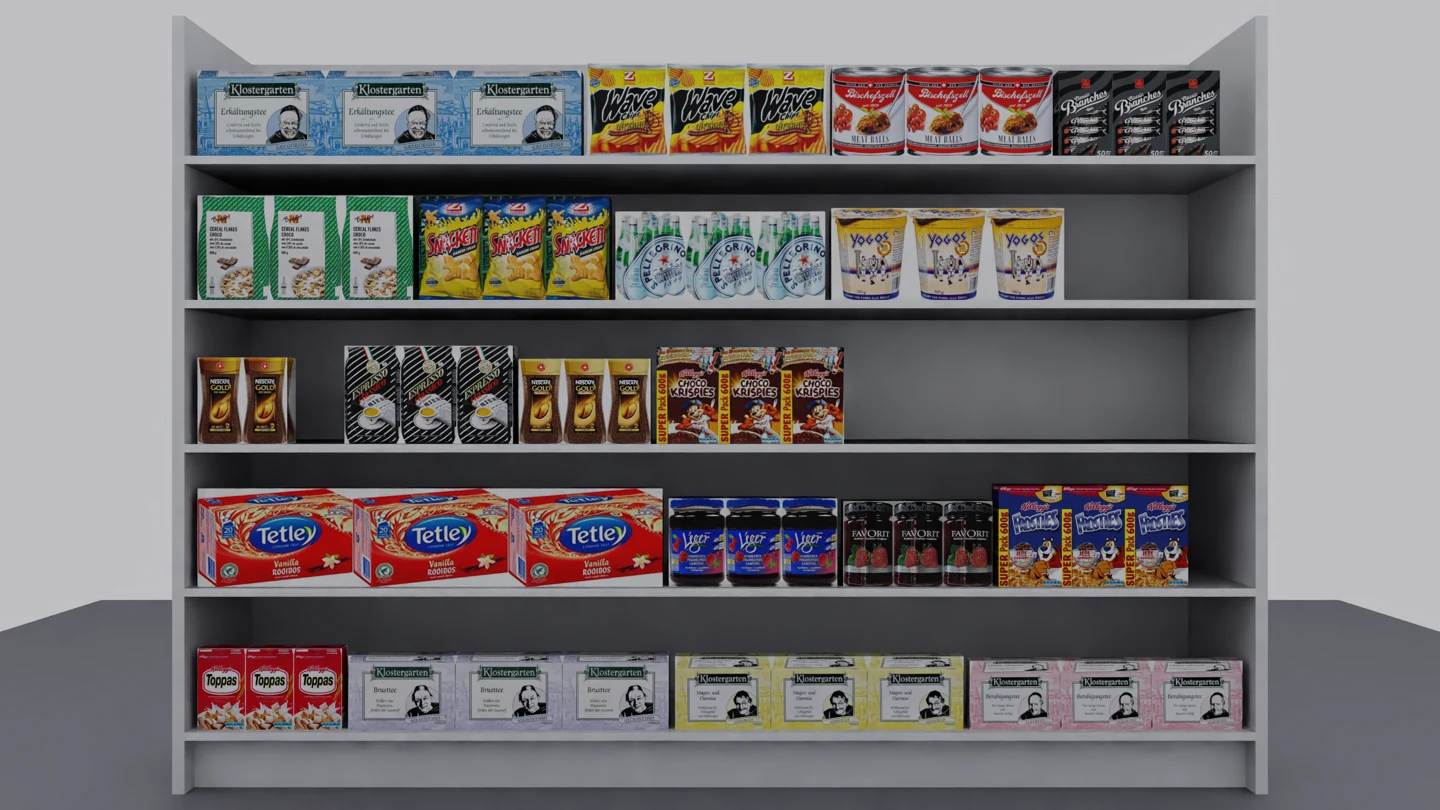
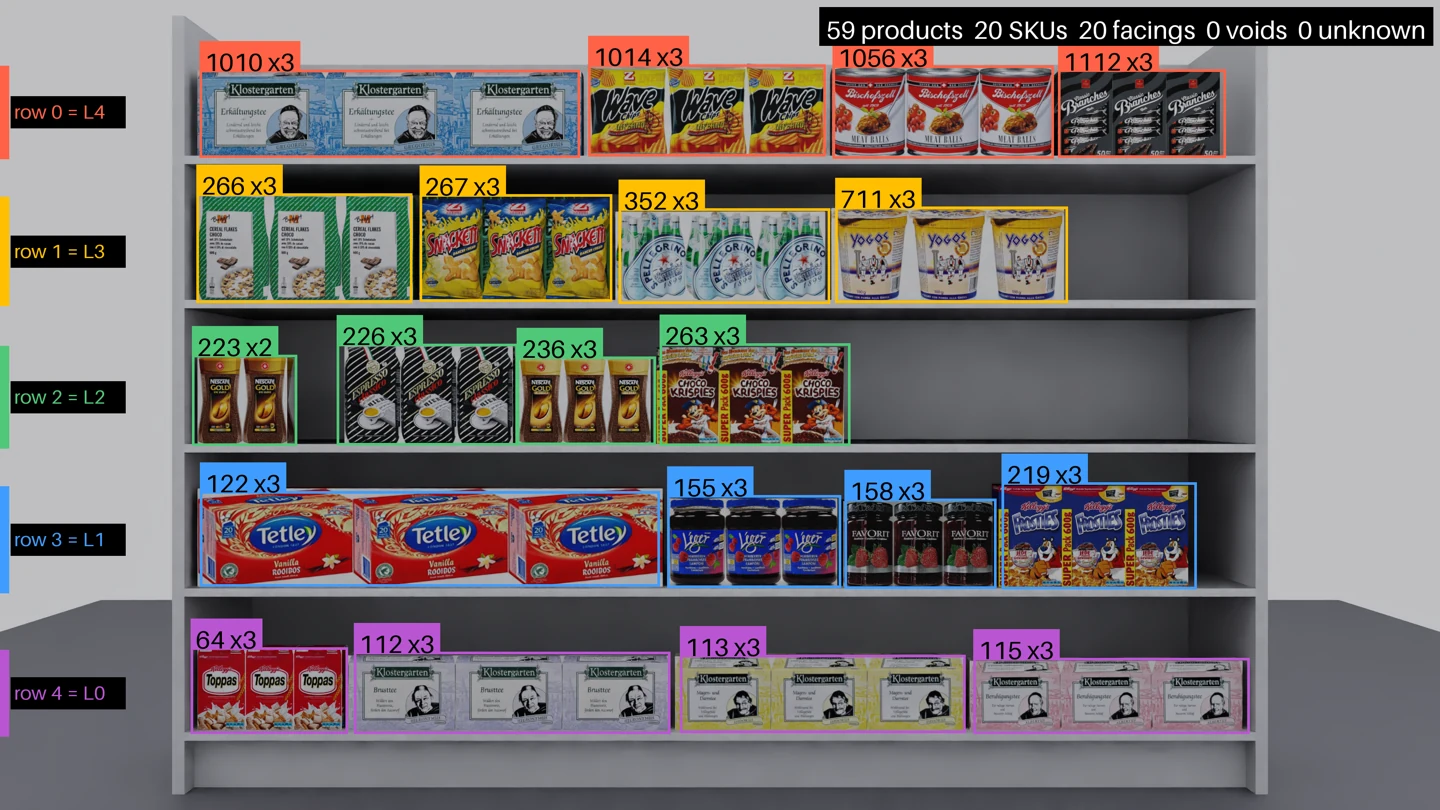
Compare what is on the shelf with what belongs there. Here, DRAY finds two facings where three are expected and selects the position to replenish.
Shelf insight becomes a restocking task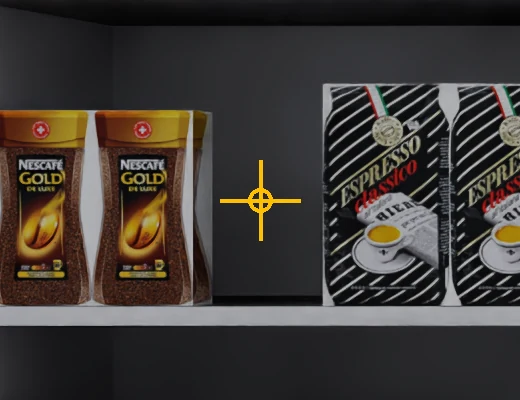
A precise target connects shelf understanding to the robot’s next action.
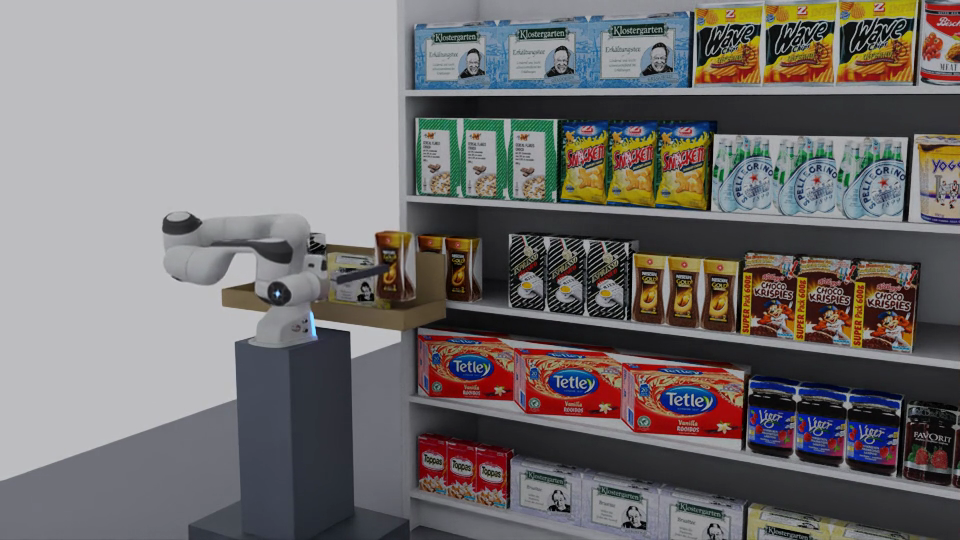
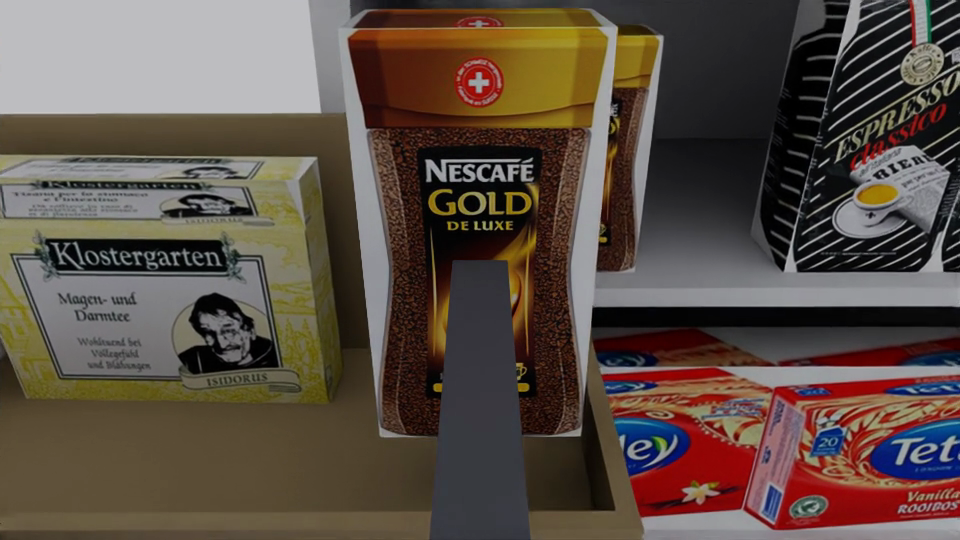
The robot takes the selected product from its tray, reaches the target and places it on the shelf. Shelf intelligence becomes a physical action.
Robotic replenishment · simulationThe selected product moves from supply tray to shelf.
A fresh shelf image checks the result. In this recorded task, the missing facing is restored and the shelf record is updated.
Before and after, connected by a task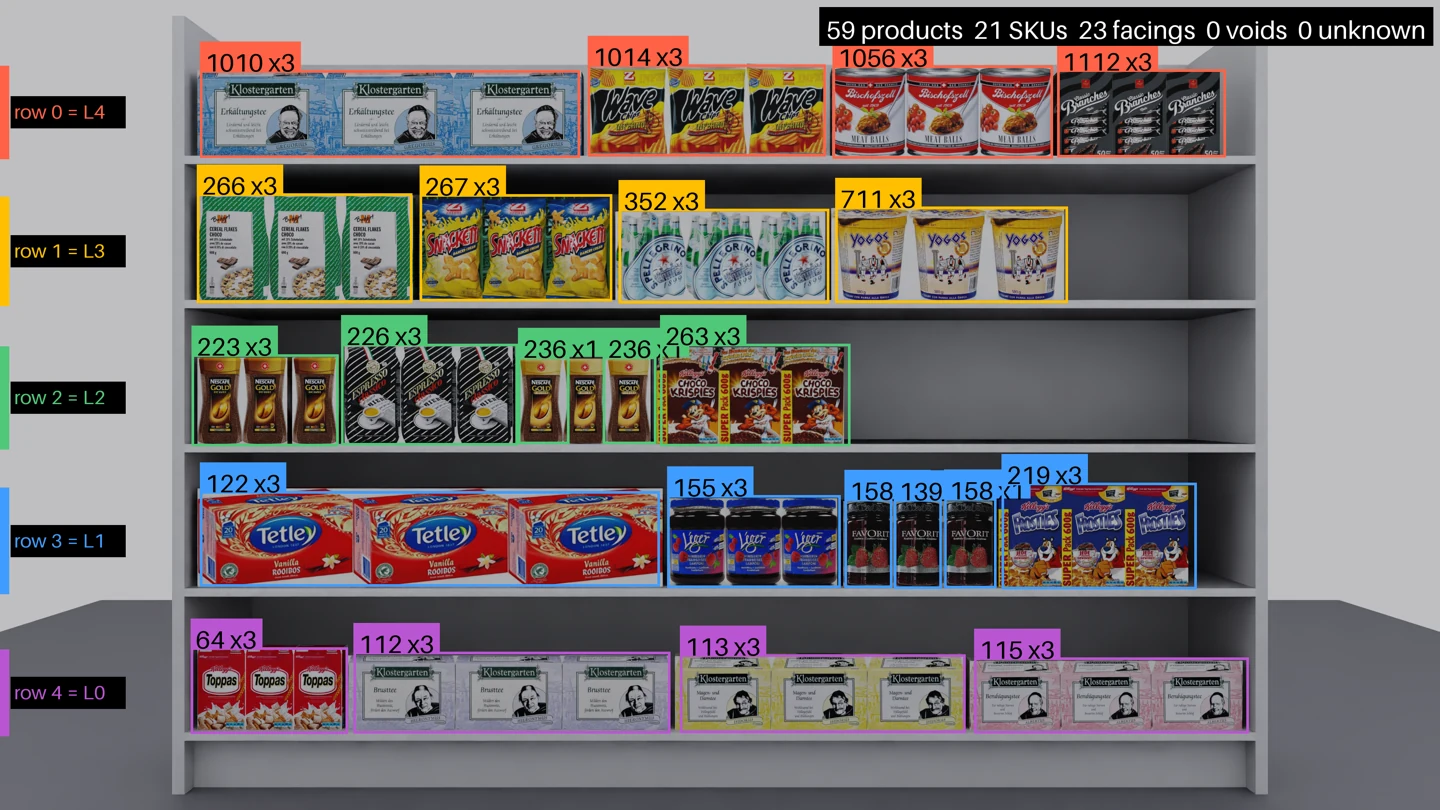
See the shelf. Do the work. Check the result.
Explore the AI behind the actionIntelligence at work
Seeing the shelf. Understanding the task. Moving the product. Explore how DRAY brings AI capabilities together to do useful work.
 Replenish the shelf
Connect the missing facing to the product and shelf position that need attention.
Keep shelves ready for the next order.
Recorded in simulationIllustrated scenarios with recorded simulation examples. Explore the idea, then watch the work.
Inside DRAY
Step inside the simulation. Reveal an AI view of the world, then explore the intelligence behind every action.

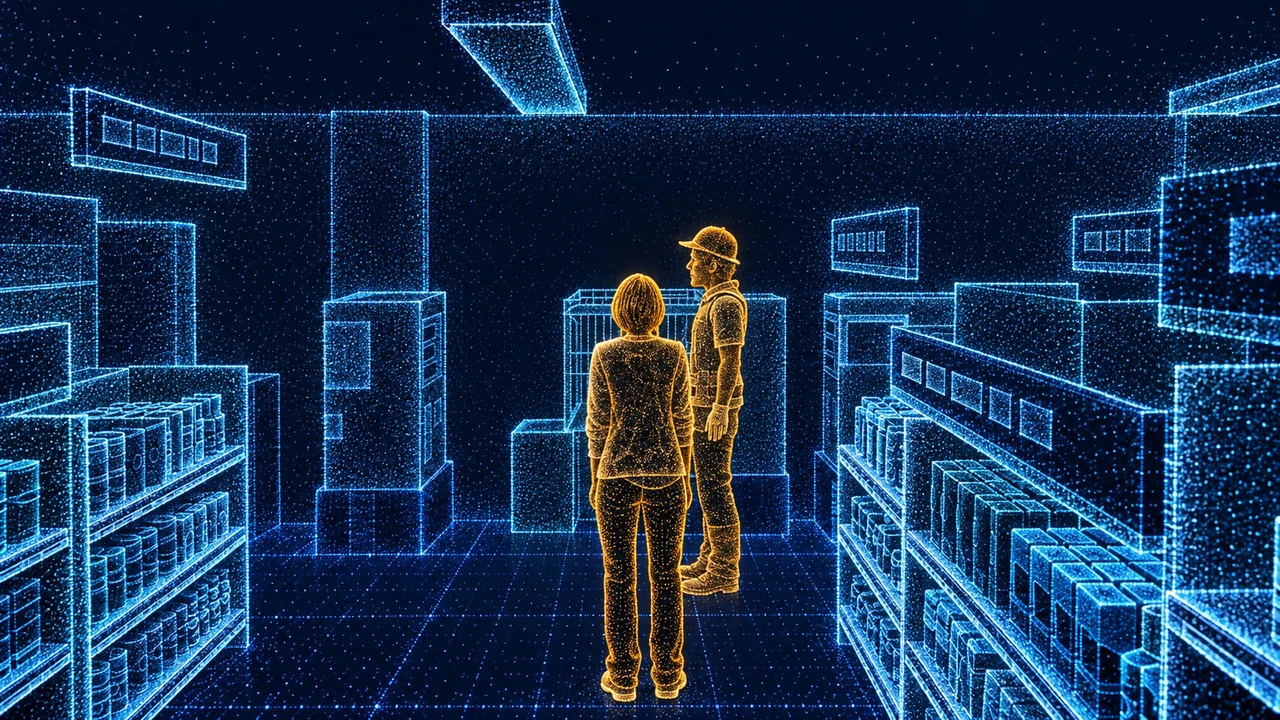
Products to handle. People to move around. A place to understand before taking the next step.
Interactive illustration using our simulation scene. AI view and route are visual explanations.
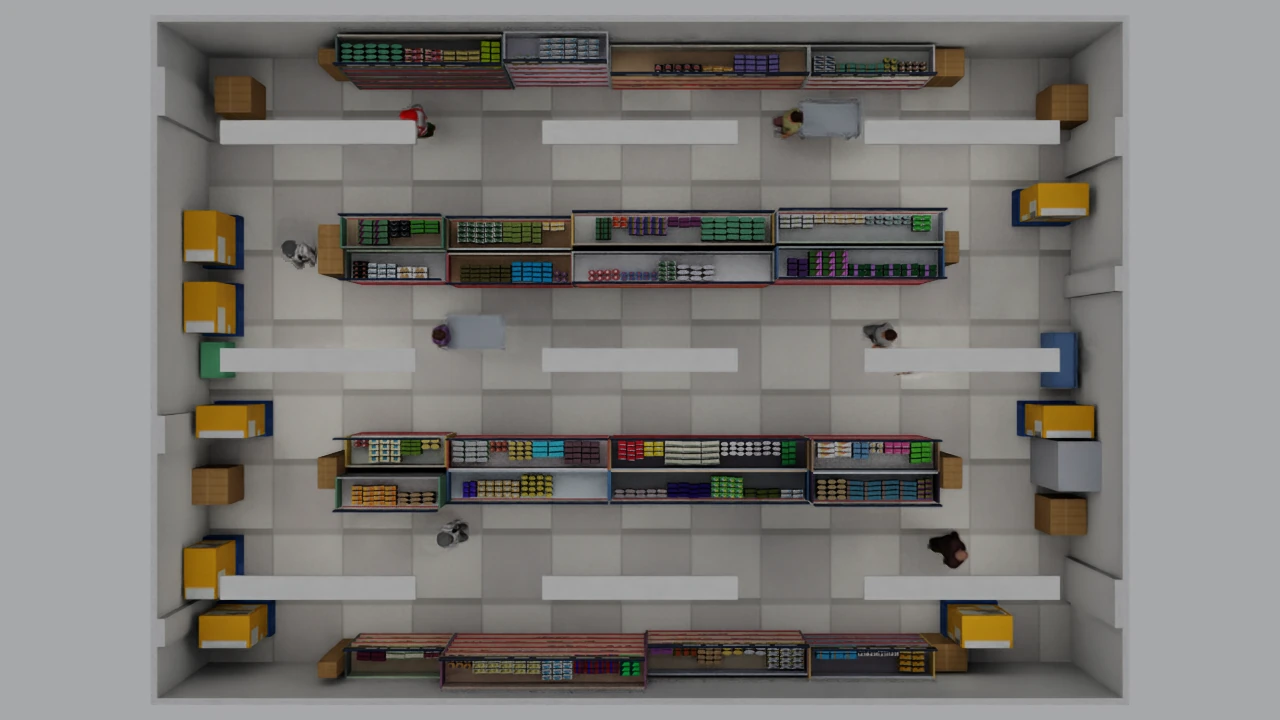
Trigger an illustrative shelf gap to follow the decision through the graph.
Simulation store structure and modelled product relationships. Product dots are placed schematically within each bay. Shelf-gap scenario is illustrative.
A dedicated grocery format for robotic fulfillment, with a lean team supporting the operation.
Explore the German pilotApply the same capabilities to replenishment, misplaced products and repetitive picking in conventional stores.
See the capabilitiesRead product positions and visible facings. Identify gaps, compare shelf layouts and check completed work.
Explore shelf intelligenceThe robotics platform
One mobile platform connects shelf understanding with product handling. Explore the capabilities in our simulated store.
The robot approaches the shelf, takes a product from its supply tray and places it on the shelf. From a supply tray to the right shelf position.
The robot grasps a product, moves it along the shelf and releases it in a different location. Put misplaced products back where they belong.
The robot reaches for a jar, draws it out of the shelf and transfers it into the tote. The core movement behind robotic order fulfillment.
Recorded DRAY demonstrations · Simulation
Our first physical pilot · Germany
We’re seeking a retail operating partner for our first physical pilot in Germany. The goal: a delivery-first grocery location where robots handle routine shelf and order work, with people supporting operations.
Start with a focused assortment and a store layout designed for robotic movement, picking and dispatch.
Connect navigation, shelf intelligence and manipulation. Shape scheduled on-site maintenance, remote oversight and exception handling around the operation.
Measure order fulfillment, availability, human involvement and cost. Use the results to define a repeatable store format.
Simulation → Physical pilotToday: recorded shelf recognition, picking and shelf operations in simulation. Next: integrate and validate the workflows in a physical pilot.
Agree success thresholds together. Measure the operation, then decide what scales.
The first partner
Bring your retail experience. Build with us from the first location, and help shape how a successful model can expand across a network.
The first conversation covers the site, assortment and operating goals. Together, we define responsibilities, pilot funding and success thresholds before moving forward.
Discuss a pilot locationFor early-stage investors
DRAY is building the robotics platform connecting shelf understanding, movement and manipulation. A focused grocery operation is the first place to validate it end to end.
We develop and test connected AI capabilities in simulation, with recorded work to inspect. The next milestone is to validate the operation in a physical pilot.
Discuss the company & next milestoneShelf recognition, replenishment, relocation and picking, with recorded tasks to inspect.
Explore the demonstrationsValidate integrated physical workflows, support needs and operating economics with a pilot partner.
Turn what works at the first site into a format for further locations, guided by operating evidence.
A few practical questions
Have a specific store or workflow in mind? Tell us about it.
The footage shows DRAY’s shelf recognition, replenishment, product relocation and picking in simulation. Our next milestone is to bring the capabilities together in a physical store pilot.
The delivery-first store is our flagship pilot concept. The same platform also targets shelf work alongside store teams and shelf analytics that help people decide what needs attention.
It structures the visible shelf: product identities, positions and facing counts. Compared with the expected layout, that supports gap detection, misplaced-product checks and verification after a task. It also provides product landmarks for navigation.
The pilot concept puts people in charge of maintenance, oversight and exceptions while robots handle routine shelf and order work. The first site will establish the right balance of scheduled visits, remote support and on-site intervention.
Extended service windows, including Sundays where permitted, are part of the concept. Opening, staffing and delivery arrangements depend on the location and operating model; these would be assessed with the pilot partner.
Start with a potential location, assortment and your retail goals. We’ll discuss site fit, operating responsibilities, support, pilot funding and success measures together. The commercial structure and any wider rollout would be agreed directly.
Let’s take the next step
Explore whether your location and operating goals fit the first Germany pilot.
Discuss a pilot locationDiscuss the platform, the evidence so far and the next company milestone.
Start an investor conversation